The Science and Art of Table Lighting: Enhancing Performance and Aesthetics in Ping Pong
In the dynamic world of competitive ping pong, every element of the playing environment plays a crucial role in determining performance outcomes. One often overlooked yet essential component is table lighting. Proper illumination can significantly impact visibility, reaction times, and overall player comfort during matches.
A well-lit ping pong table ensures that players can see the ball’s trajectory clearly against various backgrounds while also creating an inviting atmosphere for spectators. This guide delves into how different types of lighting systems affect gameplay and aesthetics.
Understanding the Importance of Optimal Illumination
Lighting conditions have a direct influence on both visual acuity and mental alertness for athletes engaged in fast-paced sports such as table tennis. Insufficient light levels may cause eye strain or misjudgment of shots due to poor contrast between the ball and surrounding surfaces.
Conversely, excessively bright environments might lead to glare issues which could impair depth perception necessary for accurate returns. Therefore, finding balance becomes paramount when setting up any indoor sporting facility including dedicated ping pong rooms.
- Brightness Control: Adjustable brightness settings allow customization based on ambient room lights ensuring neither under nor overexposure occurs.
- Color Temperature Adjustment: Warmer tones create cozy vibes suitable for casual games whereas cooler blues enhance clarity ideal for serious competition scenarios.
Selecting Appropriate Light Sources for Your Ping Pong Setup
Choosing the right type of bulbs or LED strips depends largely upon personal preference regarding style alongside functional requirements related to energy efficiency and longevity. Traditional incandescent lamps offer warm glow but consume more electricity compared modern alternatives.
LED technology has revolutionized sport-specific lighting solutions by providing high lumen outputs without generating excessive heat. These units are available in various color temperatures allowing users tailor their setup according to specific needs whether focusing purely on enhancing visibility or adding aesthetic appeal through vibrant hues.
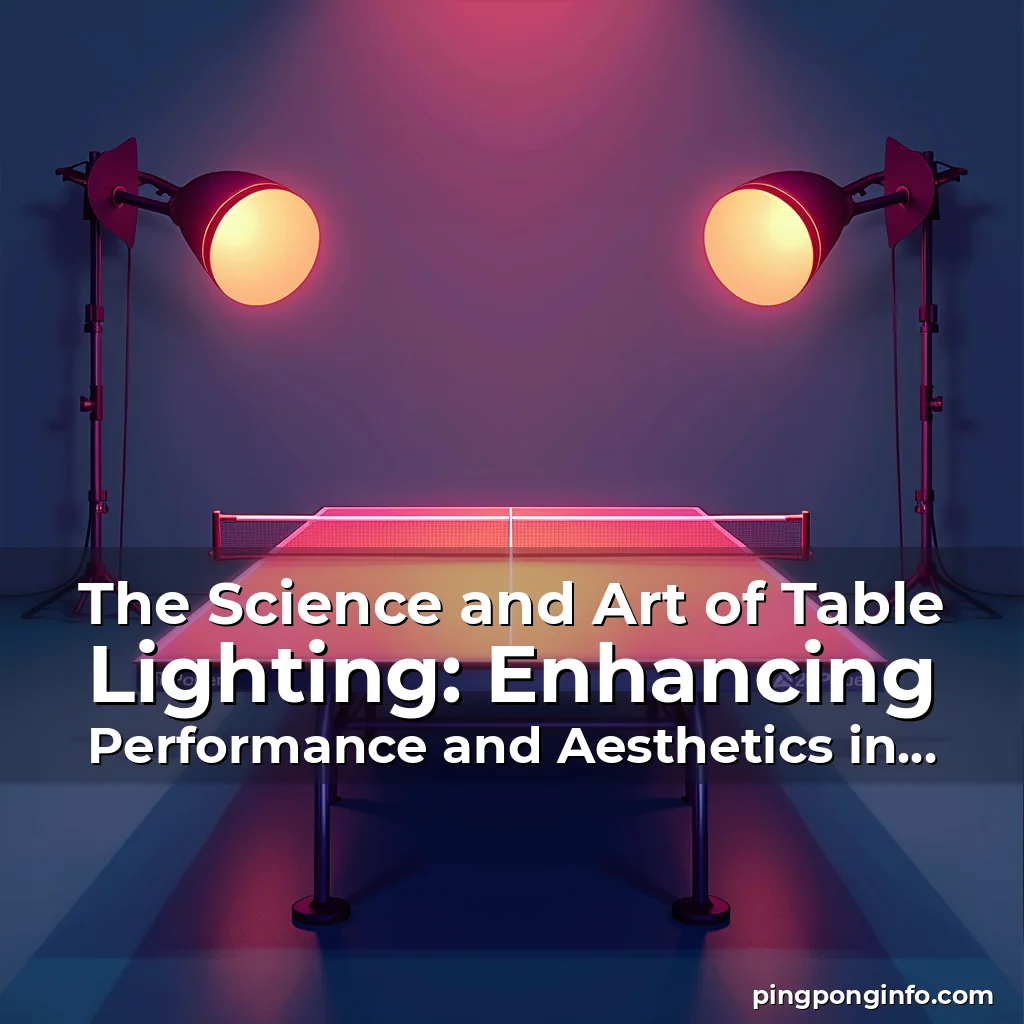
When considering installation options, overhead fixtures remain popular choices offering even distribution across entire tables. However wall-mounted brackets provide flexibility enabling targeted spotlights at critical areas where most action takes place.
Design Considerations for Effective Table Lighting Systems
To achieve optimal results from your chosen lighting system, careful attention must be paid towards placement strategies aimed minimizing shadows cast onto playing surface itself. Strategic positioning helps maintain consistent brightness throughout match duration preventing sudden changes that could disrupt concentration levels among participants.
Reflective materials integrated within ceiling designs help bounce natural daylight downwards reducing reliance solely artificial sources especially beneficial during daytime sessions held indoors without windows.
Additionally incorporating dimmable switches enables gradual adjustment depending time-of-day preferences making transitions smoother particularly useful transitioning from evening tournaments back regular daily activities post-game hours.
Technological Advancements Shaping Modern Ping Pong Lighting Solutions
Recent innovations include smart lighting controls connected via smartphone apps allowing real-time adjustments remotely. Such features prove invaluable tournament organizers needing precise control over environmental factors affecting player performance metrics consistently.
Sensors embedded inside some advanced models automatically adjust intensity levels responding dynamically changing conditions thus maintaining constant quality illumination regardless external variables influencing play area conditions.
Furthermore integration with audiovisual equipment facilitates synchronized effects enhancing spectator experience visually aligning perfectly thematic elements associated particular events being hosted simultaneously.
Evaluating Energy Efficiency and Cost-Benefit Analysis
While initial investment costs vary considerably amongst available products, long-term savings achievable through efficient technologies make them economically viable proposition despite upfront expenses involved purchasing premium grade components initially.
Calculating return-on-investment involves comparing operational expenditures incurred traditional methods versus reduced consumption figures obtained newer generation devices capable delivering same output utilizing less power thereby cutting down monthly utility bills substantially over extended periods.
Moreover government incentives offered certain regions promoting adoption eco-friendly initiatives further sweeten deal encouraging individuals businesses alike transition greener alternatives supporting sustainability goals globally.
Maintaining Your Ping Pong Table Lighting System Effectively
Regular maintenance routines ensure continued effectiveness of installed lighting apparatuses prolong lifespan avoiding premature failures potentially disrupting scheduled competitions unexpectedly.
Cleaning lenses periodically removes dust accumulation obstructing light emission decreasing efficacy unless addressed promptly leading diminished visibility problems arising later stages usage cycle.
Inspecting wiring connections annually prevents potential hazards caused frayed cables posing fire risks besides electrical malfunctions interrupting service delivery mid-event causing embarrassment hosts logistical challenges managing emergency repairs hastily.
Customizing Lighting For Different Playing Scenarios And Environments
Adapting lighting configurations caters diverse situations ranging from casual home setups requiring minimal effort configuring basic arrangements sufficient casual play sessions held family gatherings weekends.
Professional arenas demand rigorous standards compliance stringent regulations governing minimum lux values required guaranteeing fair contest conditions applicable all competitors irrespective skill level differences present field.
Outdoor facilities face additional challenges necessitating weatherproof enclosures protecting sensitive electronics moisture damage wind exposure common open-air locations increasing complexity design implementation process accordingly.
Indoor gyms benefit structured layouts pre-determined placements facilitating quick setup dismantling operations efficiently meeting frequent schedule rotations typical commercial establishments hosting numerous bookings weekly basis.
Conclusion
Properly designed table lighting enhances not only functional aspects gameplay but contributes greatly toward creating immersive experiences enjoyed audiences alike.
By carefully selecting appropriate illumination sources implementing thoughtful layout plans leveraging latest technological advancements individuals communities stand gain improved performance standards heightened enjoyment derived participating observing exciting matches unfold seamlessly under expertly crafted lighting environments.